



-
5 tech trends for classroom modernization in Canada
Emerging technologies like AR/VR, AI, modular spaces and hybrid learning are reshaping Canadian classrooms for flexibility and engagement.
-
1. STEAM solutions with AR/VR for immersive, hands-on learning
AR/VR brings complex STEAM concepts to life with interactive, experiential lessons tailored to diverse learning needs.
-
2. Interactive panels for driving engagement and collaboration
Interactive panels replace traditional boards for fostering collaboration, hybrid learning and engagement.
-
3. Modular furnishing for improved classroom ergonomics
Flexible, ergonomic furniture allows schools to adapt spaces for collaboration, accessibility and comfort.
-
4. Personalized learning with AI tools
AI-driven tools customize lessons, automate grading and help educators support every learner’s pace and needs.
-
5. Extending the classroom digitally via remote and hybrid learning
Hybrid and remote learning models, powered by cloud and AV tools, extend access and flexibility beyond the classroom.
-
Key benefits of classroom modernization
Modern classrooms enrich learning, boost collaboration, empower educators and prepare students for a digital-first future.
-
Build modern, engaging and accessible classrooms with CDW Canada
CDW Canada partners with schools to deliver secure, scalable and tailored modernization strategies for future-ready learning.
5 Tech Trends Driving Classroom Modernization Across Canada
This blog explores how Canadian schools are modernizing classrooms with emerging technologies like AR/VR, AI, modular spaces and hybrid learning. Learn about the key benefits of modernization and how CDW can help your institution achieve the same.

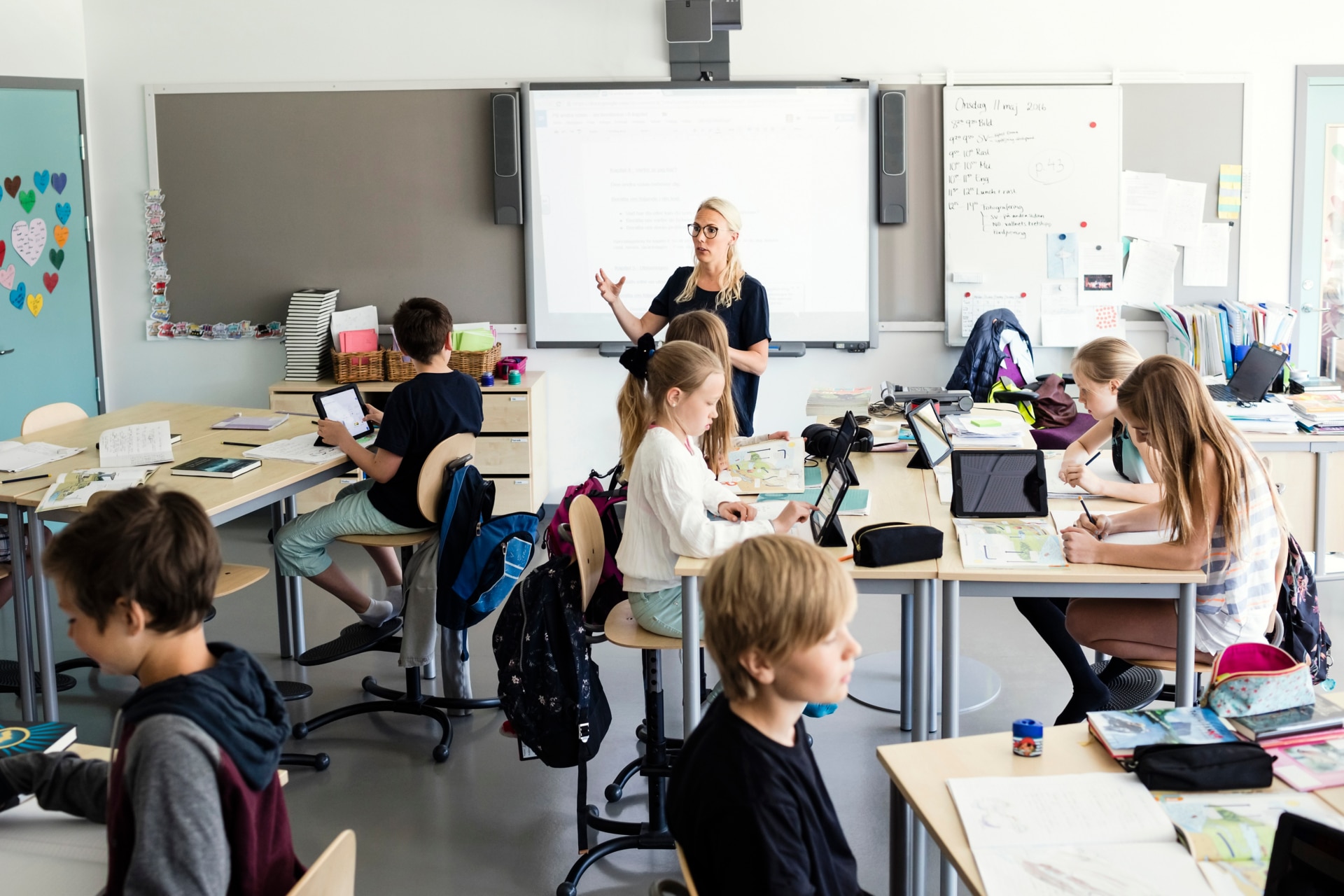
Across Canada, schools are welcoming a new generation of students and educators who expect flexibility, personalization and tools that fit their learning needs. Digital native students expect hybrid and e-learning options, while teachers require technology to better facilitate learning experiences.
From virtual and augmented reality tools that bring lessons to life to flexible classroom designs that support collaboration, a modern classroom can help deliver all of it. But as schools chalk out their modernization plans, which technologies should they prioritize?
In this blog, we highlight five tech trends driving classroom modernization in Canada and how CDW can help institutions bring these innovations to their classes.
5 tech trends for classroom modernization in Canada
The following trends highlight the key technologies being used by schools across Canada for their modern classrooms.
1. STEAM solutions with AR/VR for immersive, hands-on learning
Augmented and virtual reality (AR/VR) solutions bring life-like experiences to education. Students can access a wide library of AR/VR content across science, technology, engineering, arts and math (STEAM) courses for an immersive learning experience.
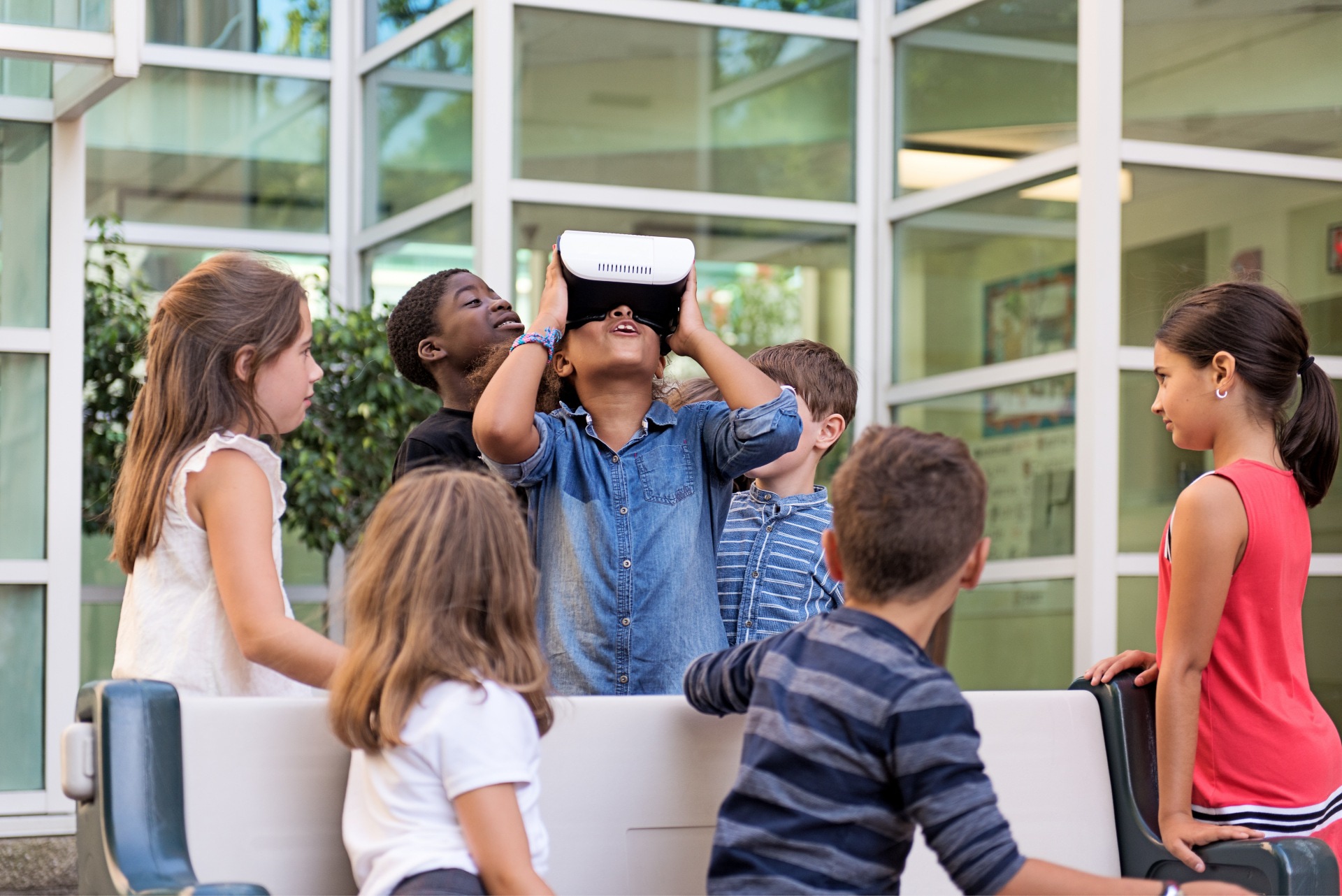
Students can view, build and interact with augmented renditions of technical concepts across STEAM subjects, improving their knowledge. For instance, instead of reading about the Great Barrier Reef, students can access a virtual model of the location. At the same time, young learners can use AR to bring everyday objects to life with overlaid educational content.
These tools not only improve retention through experiential learning but also make education more accessible. Students with different abilities and learning styles benefit from customizable, interactive lessons that adapt to their needs.
2. Interactive panels for driving engagement and collaboration
By replacing chalkboards and projectors, interactive panels offer greater control to the teachers as they go through a lesson.
Teachers can display videos, annotate presentations or run collaborative activities that allow multiple students to interact with the screen at once.
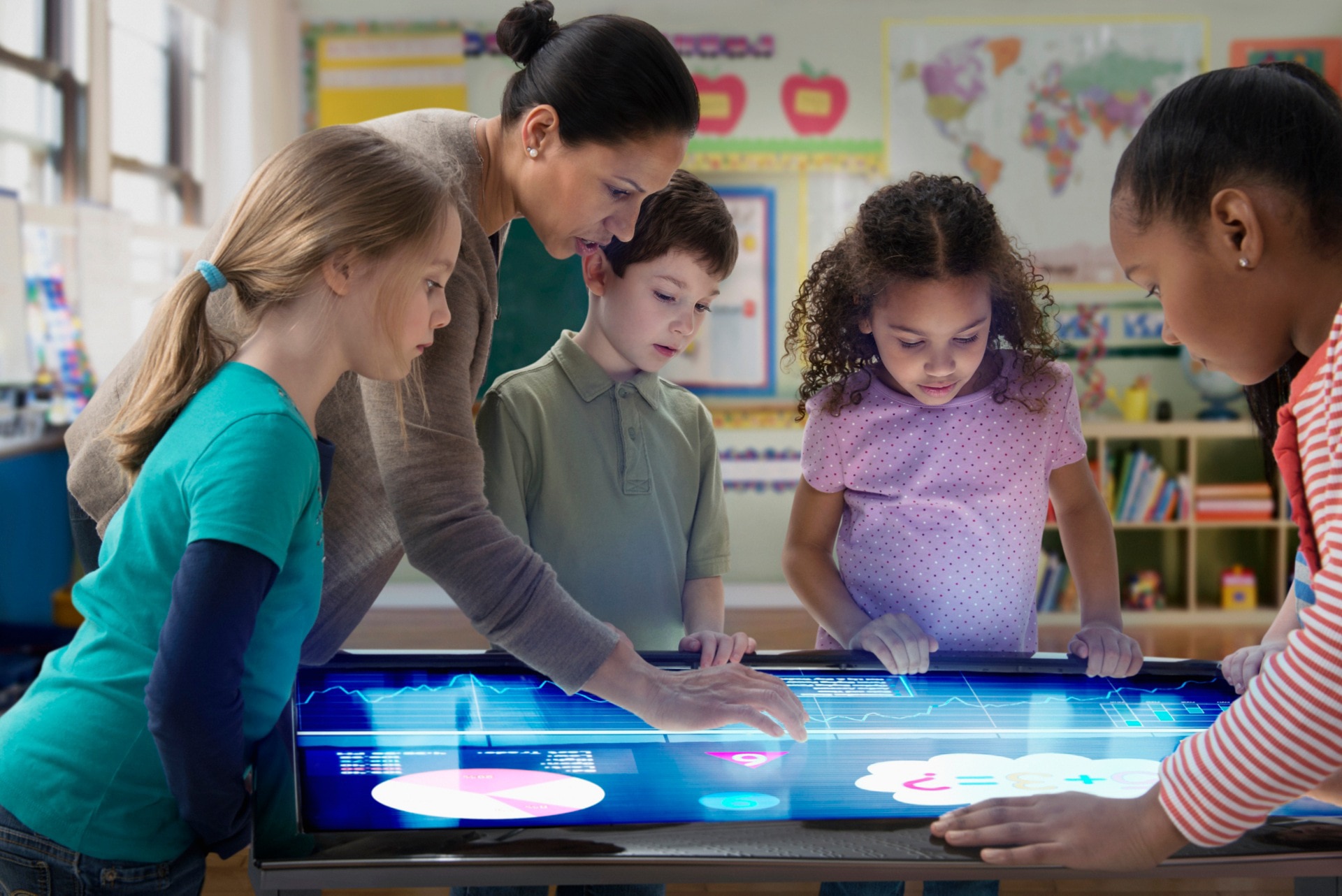
These panels integrate with laptops, tablets and cloud-based platforms, making hybrid and digital learning seamless. By combining visual, auditory and kinesthetic approaches, they support diverse learning styles while also building essential digital literacy skills.
Beyond the classroom, panels serve as a bridge to remote learning. By syncing seamlessly with collaboration platforms, teachers can enable hybrid lessons that keep students connected from anywhere.
3. Modular furnishing for improved classroom ergonomics
Classroom furniture plays a central role in providing students with comfort and space while learning. The modular furnishing approach can help schools utilize the available space in new ways and cater to the needs of the curriculum.
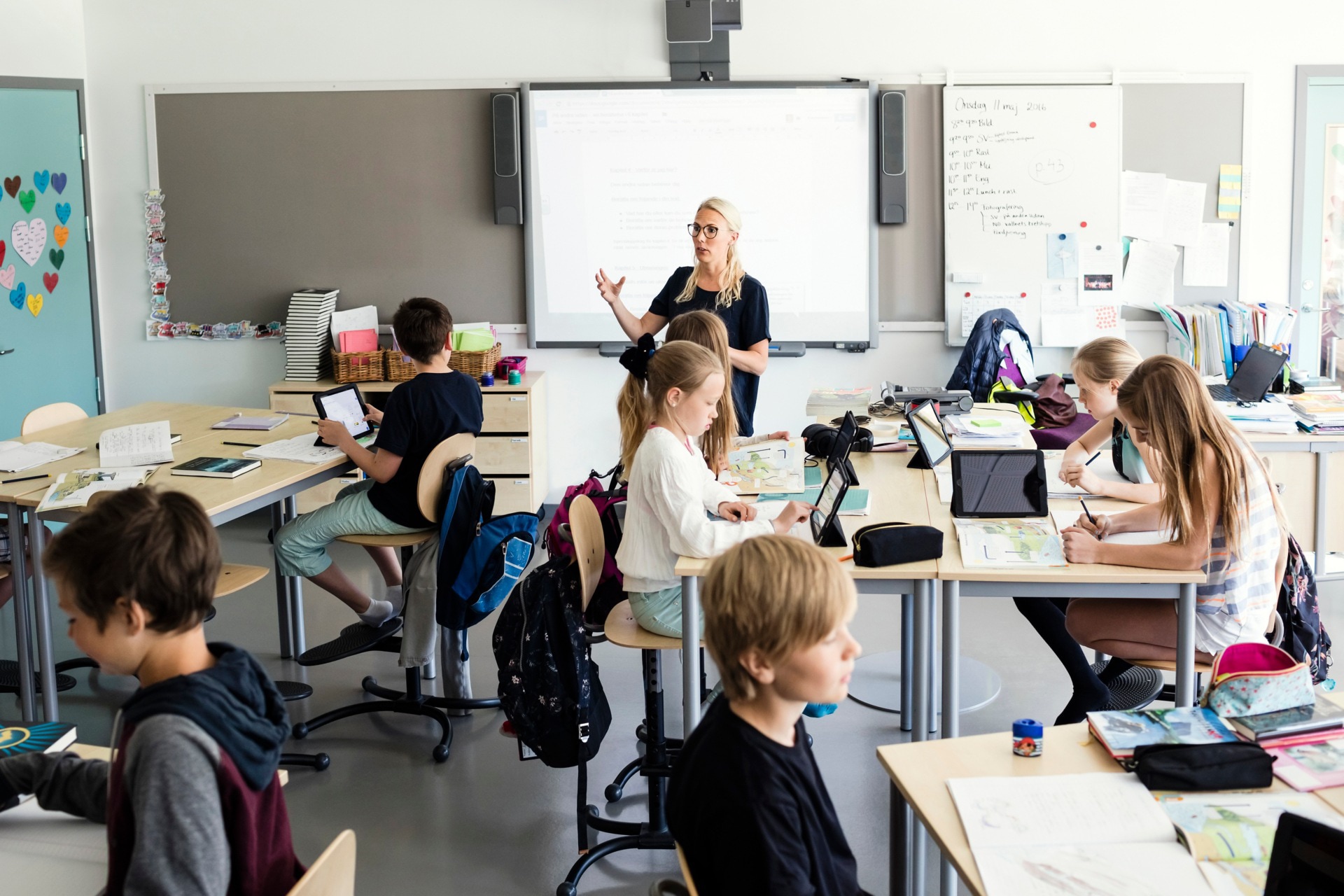
Modular furnishing gives schools the flexibility to redesign spaces based on activity. One period, the room may be arranged for group collaboration; the next, reconfigured for individual study.
This adaptability supports active learning, ensures accessibility for all students and helps maintain a safe, comfortable environment, especially for students who may have special needs with respect to movement, seating and accessibility in the classroom.
4. Personalized learning with AI tools
Unlike traditional modes of learning, AI tools can help adapt lessons to each student’s pace, skill level and preferred learning style. This ensures no learner is left behind or disengaged, providing personalized responses to address their questions, doubts and even follow-up questions.
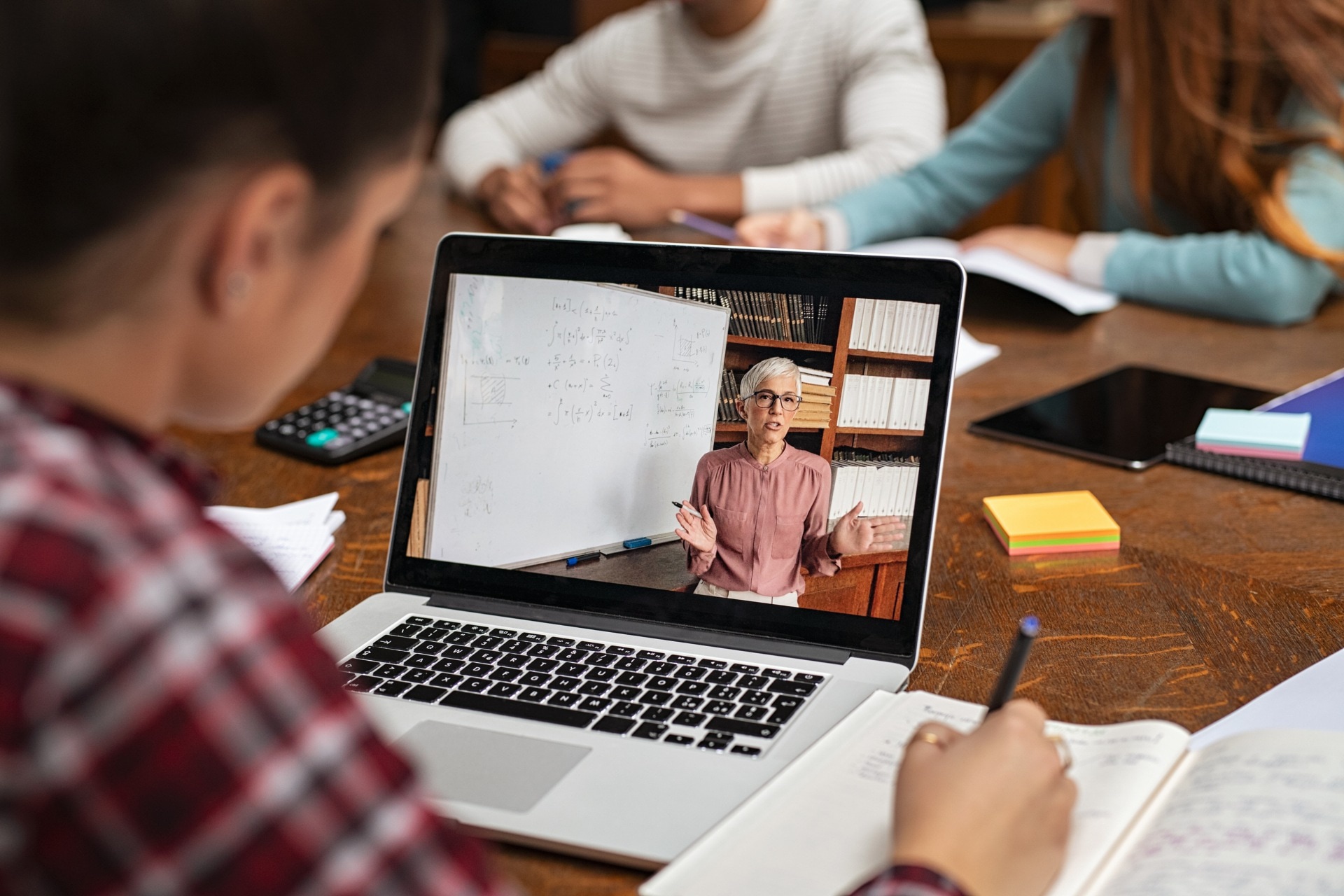
Such tools can also help students overcome course hurdles. by helping educators identify areas of struggle and suggest targeted exercises or alternative explanations.
For teachers, this means less time spent manually grading or monitoring progress and more time spent fostering meaningful classroom interactions.
5. Extending the classroom digitally via remote and hybrid learning
The pandemic underscored the value of flexibility, and hybrid learning models are here to stay. These models give students the flexibility to attend classes from home, on campus or anywhere in between, ensuring learning continues seamlessly.

Videoconferencing tools enable real-time instruction and discussion, while cloud-based learning management systems (LMS) host recorded lectures, assignments and interactive assessments. These systems give students 24/7 access to resources, allowing them to revisit lessons and learn at their own pace.
A modern IT infrastructure can help schools support hybrid and remote learning modes. Secure networks, high-quality audio-visual equipment and devices such as tablets, laptops and interactive panels ensure smooth delivery across environments.
4 key benefits of classroom modernization
From enhancing student experience to increasing digital readiness, the key benefits of building a modern classroom are described below.
1. Enriched learning experiences
Modern classrooms make education more interactive and engaging. With digital tools, immersive content and online resources, students can explore concepts in new, experiential ways.
Videos, gamification, virtual and augmented experiences can enrich how students learn new concepts in the classroom.
2. Collaboration and engagement
Flexible learning spaces and modular furnishings support group projects and peer-to-peer learning, encouraging students to work together more effectively.
At the same time, interactive panels and digital platforms promote active participation throughout the classroom. Such innovations can help ensure lessons resonate across different learning styles and keep students engaged.
3. Empowering the educators
Technology can help reduce the administrative load on teachers, giving them more time to focus on teaching and mentoring.
AI-powered tools can automate grading, provide real-time feedback and personalize lessons to meet individual student needs. This enables educators to design dynamic learning experiences while ensuring that every student receives the right level of support.
4. Health, comfort and digital readiness
Modernized classrooms also prioritize student well-being with ergonomic furniture, improved lighting and healthier spaces.
Beyond physical comfort, classroom modernization prepares learners for life in a digital-first world. By building digital literacy and exposing students to emerging technologies, classrooms help prepare them for future education and career success.
Build modern, engaging and accessible classrooms with CDW Canada
CDW Canada brings deep expertise and dedicated resources to help schools across Canada modernize their learning environments.
With education technology specialists and the added strength of Amplified IT (a CDW company) focused on education services, CDW provides tailored modernization guidance. Whether it’s procuring technology, designing learning spaces or building modernization strategies, our experts are ready to help you achieve your modernization goals.
These solutions are supported by robust device lifecycle management, predictive analytics and integration services that ensure technology is easy to use, scalable and reliable.
CDW also supports the broader infrastructure and security needs of educational institutions. This holistic approach ensures not only that schools have the right tools in place but that those tools are secure, compliant and sustainable.
With partnerships across leading cloud providers and connected campus solutions, CDW can help you integrate digital learning tools into your day-to-day operations.