



How to Improve K-12 Remote Learning Experiences
Transitioning a school to remote learning involves long-range strategic planning, allocation of resources and student access to devices and connectivity.

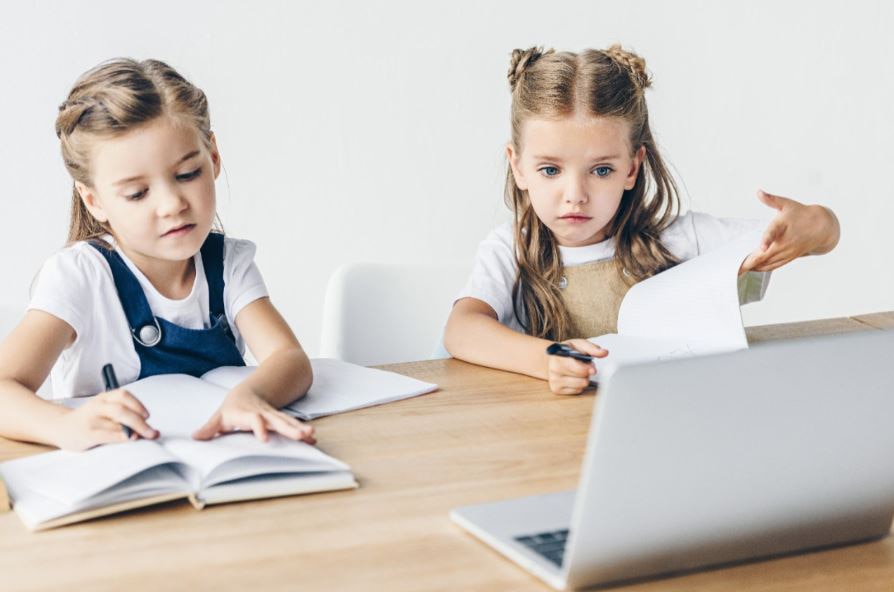
Any K12 district CTO will tell you that transitioning a schoolcommunity to a remote learning environment involves long-range strategicplanning, allocation of resources, focused sustainable professional developmentand equitable access to devices and connectivity for students.
However, the race was on when coronavirus pandemic-related provincialmandates closed school buildings earlier this year. Understanding thedetrimental impact that school closures can have on student access toeducation, school districts rushed to create online learning plans that wouldensure educational continuity for the last months of the school year.
RemoteLearning is Not the Same as In-Person Instruction
Classroom teachers and support professionals are especiallyburdened with the responsibility of sustaining academic growth and thewell-being of their students in the new normal. With Wi-Fi hotspots and routerstemporarily replacing brick-and-mortar walls, educators and students still needto connect, engage in exciting learning opportunities, strengthen and buildskills, explore and personalize learning with project-based activities. Ascommitted educators, teachers and support professionals seek to continue using datato drive instruction, assess for mastery, differentiate based on learningabilities and styles, develop relationships and care for the emotional andphysical well-being of their students.
Understandably, educators are overwhelmed with this crisis-drivenmodel of education, and many of them attempt to replicate the dynamicface-to-face classroom experience for their students. However, what studentscan do successfully with teachers in a classroom is not easily duplicated in avirtual one.
Try NewApproaches to Make Learning Dynamic
Educational technology and e-learning are not new resources forschool districts. Since the rollout of Chromebooks, tabletcomputers and laptops for educational use, students and educators have grownmore adept at 21st-century skills such as collaboration, creativity andcommunication. However, due to the pressure and sense of urgency placed upondedicated teachers during remote learning, they may find it less intimidatingto share long recorded lessons and lectures, create fillable worksheets andassign online multiple-choice types of assessments. These strategies, accordingto the SAMR (substitution, augmentation, modification and redefinition) model,are simply a substitution for face-to-face learning and will not transformeducation in any environment.
Using the International Societyfor Technology (ISTE) Standards for Students, educators can use remote learning toempower students to be knowledge constructors, computational thinkers andcreative communicators. Using the educational approach of the flipped classroom and including tools such as screen-recording apps,virtual meeting rooms, collaborative documents and learning management systemscan be both short-term and long-term paths to creating dynamic and interactivelearning environments.
Use ProvenApproaches to Online Instruction
As lifelong learners, educators are always challenging themselvesto provide students with the most effective instructional tools and resources.While this is extraordinarily commendable in this time of educational triage,it is recommended that educators and students use tools already incorporated intheir classroom.
It is easy to be enticed by free educational technology resourceswith quick solutions meant to mirror the traditional learning experience.However overwhelming the obstacles of e-learning, educators should stick withwhat they know and what already works well when possible.
Educators and administrators should look at introducing technologyinto instruction even in this time of forced e-learning through the lens ofthe Triple E Framework ofengagement, enhancement and extension of learning goals. Effective technologyuse in learning is rooted in effective instructional strategies for learning,University of Michigan professor Liz Kolb says on the Triple E Frameworkwebsite.
Leveraging technology tools in an e-learning environment that helpensure students stay on task and reach their learning goals will result instudents owning their learning. The approach will also encourage deeper divesinto students' areas of interest and provide real-world and global connections.
Engagein Co-Teaching, Team Approaches to Support Educators
Educators and support professionals collaborate, share data andsupport students on an ongoing basis through department, grade-level and teammeetings. These invaluable opportunities result in increased attendance,reduced numbers of discipline issues, improved academic performance and betteridentification of high-risk students.
The silos created with e-learning can have a long-term detrimentalimpact on students' future success. To prevent this, educators can implementco-teaching models into their virtual classrooms. Using educational platformssuch as Google Classroom and Microsoft Teams andlearning management systems such as Schoology and Canvas, grade-level and content-level educators don't have to goit alone. Using co-teaching approaches during remote learning such asparallel, alternate, station and team teaching ensures educators aresupported. It also will provide a consistent learning experience for students.
Educators are feeling the pain of transitioning and adjusting to remote learning. They are well aware of the impact closed school buildings are having on curriculums, face-to-face student connections and the support of all learners. It is important to keep three things in mind: Take time to reflect on the experiences gained, the skills learned and the more robust relationships with colleagues, students and parents. Continue to address the educational and digital inequities among our students and families that have come to light during this unprecedented crisis. Most important, recognize that educators play an essential role in students' lives, whether within the walls of a classroom or on screen in a Zoom Room.
To learnmore about CDW solutions for K-12 educators, please visit CDW.ca/education